
Preventative care is one of the most important services a medical practice can offer, and that is especially true when it comes to gynecology and women’s health. Our gynecologic services provide patients with state-of-the-art 3D digital mammography technology to ensure the earliest, most accurate detection of breast cancer. Our office is located in 277 Pleasant Street in Fall River.
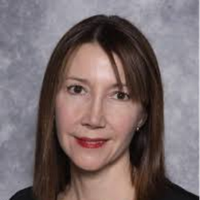
Dr. Brenda Roy is certified by the American Board of Obstetrics and Gynecology and is a Fellow of the American College of Obstetricians and Gynecologists. Dr. Roy earned an M.D. at the University of Toronto, holds a Master's and PhD in Physiology from Queen's University, and completed a residency in obstetrics and gynecology at McGill University. Dr. Roy is an Assistant Clinical Professor of Obstetrics and Gynecology at Brown University, has surgical privileges at Saint Anne's Hospital and speaks French and English. Read Dr. Roy's full bio.
Performed on an outpatient basis, a mammogram is a radiological examination of the breast that can detect cancers so small that even the most experienced examiner cannot feel them. It's the most reliable method of early detection of breast cancer.
Prima CARE's new 3D digital mammography (tomosynthesis) produces a clear, electronic image with extraordinary detail of the breast tissue. The images are recorded electronically rather than on film and viewed on a computer. It results in shorter examination times and improved patient comfort and convenience.
All women should have a mammogram regularly to ensure that nothing new develops.
The American Cancer Society offers the following guidelines to women who are symptom-free:
The feel of a breast lump will depend on what caused it, where it is located, and the type of growth. Certain lumps can be completely painless and easily moved around, while others are painful, swollen, and immobile.
Fibroadenoma lumps, which tend to disappear on their own, feel:
Breast lumps are most likely to be cancerous if they:
Don’t panic. Most breast lumps are not cancerous. If you find a breast lump or swelling, dimpling of the skin of the breast, or nipple discharge during self examination, you should see your doctor right away. However, only your doctor can make the proper diagnosis. Don't put it off; it could save your life.
Ask your doctor to make an appointment for you with the Prima CARE scheduling office. Your doctor will discuss the results with you. For more information on Digital Mammogram, download our brochure.
Getting ready for your mammogram is simple. You only need to remember two things:
For more details, read our mammography brochure(opens in a new tab).
Most women ages 21 to 29 should have a Pap test every three years. From ages 30 to 65, you can have a Pap test every three years, an HPV test every five years, or both together every five years. Your gynecologist may suggest a different schedule based on your health history.
Make an appointment if you have very heavy periods, bleeding between periods, bleeding after sex or any bleeding after menopause. Bleeding after menopause should always be checked. Our gynecologists will find the cause and talk with you about treatment options.
Hot flashes, trouble sleeping, mood changes and vaginal dryness are common during menopause. Your gynecologist can talk with you about lifestyle changes, hormone and non-hormone treatments, and the screenings you need, so you can choose the plan that is right for you.