
Your eyes don’t only require medical attention when something is wrong. To maintain healthy eyes and vision, you need consistent care from a professional who can stay on top of your individual needs.
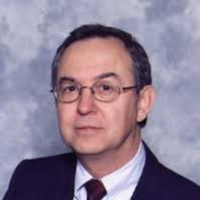
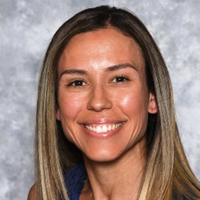
Optometrists are trained to provide for all your primary eye care needs. At Prima CARE, both of our board-certified providers offer compassionate and experienced routine vision care. Our team of optometrists includes:
Our office is located in Prima CARE's building at 289 Pleasant Street in Fall River.
Dr. Nicole Aguiar earned a Doctor of Optometry degree at the New England College of Optometry after studying at the University of Massachusetts Dartmouth. Dr. Aguiar is a member of the American Optometric Association and the Massachusetts Society of Optometrists and speaks Portuguese and English. Read Dr. Aguiar's full bio.
An optometrist is trained to provide all the routine care necessary for healthy eyes. Some common optometry services include:
The most important difference between an optometrist and an ophthalmologist is that optometrists are not trained to perform ocular surgeries. While your optometrist may be able to detect and diagnose a condition that may be treated with surgery, the surgery itself will require a referral to an ophthalmologist.
Routine eye care from an optometrist is essential to maintaining healthy eyes throughout your life, and making eye exams an important part of your health regimen becomes especially important as you age. The earlier an eye injury or disease is detected, the more time your doctors have to treat the problem before damage becomes irreversible.
If you’ve already been prescribed corrective lenses, regular visits to the optometrist can drastically improve the accuracy of your prescription, as vision loss tends to be progressive.
An ophthalmologist specializes in caring for your eyes and your vision. Some of the services performed by your ophthalmologist include:
Ophthalmologist eye exams can also help to diagnose a variety of eye diseases, such as:
Yes. Our ophthalmologist at Prima CARE is trained to perform surgery, as are all ophthalmologists. Conditions that may require surgery include:
Our ophthalmologist can also provide corrective surgeries for common vision impairments, such as astigmatism, nearsightedness (myopia) and farsightedness (hyperopia). These procedures include:
Yes! Our ophthalmologist can perform a vision exam to determine which corrective lens is right for you. He will then write you a prescription for lenses which you can bring to an optical shop to purchase eyeglasses or contact lenses.
Most adults ages 18 to 64 should have a comprehensive eye exam at least every two years, and adults 65 and older every year. You may need exams more often if you wear glasses or contacts, have diabetes or high blood pressure, or have a family history of eye disease.
During a dilated eye exam, eye drops widen your pupils so your optometrist can see the back of your eye, including the retina and optic nerve. This helps find problems like glaucoma, macular degeneration and diabetic eye disease early. Your vision may be blurry and light-sensitive for a few hours, so bring sunglasses.
Yes. Diabetes can damage the small blood vessels in your eyes, often before you notice any change in your vision. Most people with diabetes should have a dilated eye exam at least once a year, or as often as their eye doctor recommends, to find diabetic eye disease early when treatment works best.