
Neurology is a wide field of medicine covering a variety of conditions. In fact, researchers at UCSF have identified more than 600 disorders affecting the brain and central autonomic nervous systems.
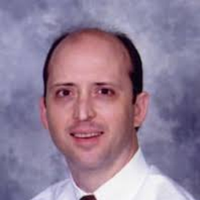
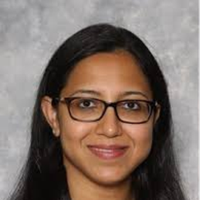
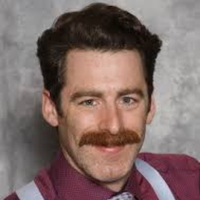
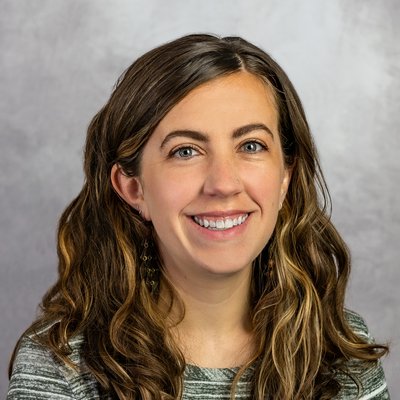
Neurological care requires exceptional knowledge and experience, and patients with neurological concerns can put their trust in our neurology clinic at Prima CARE. Each of our five specialized providers is board-certified and trained to provide accurate diagnoses and expert treatment. Our team of neurologists includes:
Dr. Jeffrey Steinberg is certified by the American Board of Psychiatry and Neurology in general adult neurology. Dr. Steinberg earned an M.D. at Tufts University and completed a neurology residency at Tufts. Dr. Steinberg is a member of the American Academy of Neurology, the International Parkinson and Movement Disorder Society and the Massachusetts Medical Society, cares for patients at Saint Anne's and Charlton Memorial Hospitals, and speaks Portuguese and English. Read Dr. Steinberg's full bio.
A neurologist specializes in the treatment of disorders affecting the brain, nervous system and spinal cord. Some of the most common neurological disorders we see at Prima CARE include:
The state-of-the-art testing and laboratory services offered at Prima CARE allow our team to perform several types of tests to determine if your condition is neurological. The two most common neurological tests are:
Several of our neurologists at Prima CARE have a subspecialty in sleep medicine. These experts can help diagnose a variety of sleep disorders, including:
Neurologists do not perform surgery. However, a neurologist can provide you with an accurate diagnosis and refer you to a neurosurgeon if surgery is the best option. During either a scheduled or emergency neurology appointment, your neurologist will always work alongside you to develop an individualized plan that works for your needs, regardless of whether or not surgery is required.
Remember BE FAST: Balance loss, Eyes (vision changes), Face drooping, Arm or leg weakness, Speech trouble and Time to call 911. A stroke is an emergency. Getting care quickly can limit damage to the brain, so call 911 right away, even if symptoms go away.
See your provider if your headaches are frequent, getting worse, wake you from sleep or don't improve with treatment. Call 911 for a sudden, severe headache or a headache with weakness, confusion, vision loss or trouble speaking. Our neurologists can help find the cause and create a treatment plan.
Bring your insurance card, a list of your medicines and any past imaging or test results, such as MRI or CT reports. A short diary of your symptoms, including when they happen and how long they last, is very helpful. You may also want to bring a family member to help answer questions.