
Early and accurate diagnosis is essential for the proper management of patients at risk for cardiovascular diseases. That’s why Prima CARE has two state-of-the-art laboratories -- a Cardiac Testing lab and a Non-Invasive Vascular lab -- which both provide an extensive array of cardiac tests to the Fall River community.
Our Cardiac Testing Laboratory is located at 289 Pleasant Street Building #4, Suite 302 in Fall River, MA, and our Non-Invasive Vascular Laboratory is located at 901 South Main Street in Fall River, MA.
Prima CARE cardiologists see inpatient consultations and perform cardiac procedures at Saint Anne’s, a Brown University hospital, in Fall River
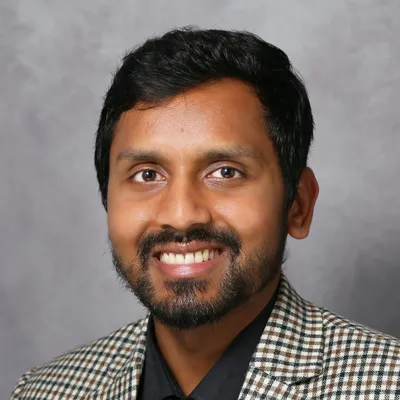
Dr. Zia Kidwai is board-certified in Cardiovascular Disease, Nuclear Cardiology and Echocardiography, and is the Medical Director of the Prima CARE Cardiac Testing Department. Dr. Kidwai earned an M.D. at King Edward Medical University, completed an internal medicine residency at St. Vincent's Medical Center, and completed cardiovascular disease fellowships at Brigham and Women's Hospital and the University of Missouri-Columbia. Dr. Kidwai directs the echocardiography lab at Charlton Memorial Hospital and is active at Saint Anne's Hospital in Fall River. Read Dr. Kidwai's full bio.
Interventional cardiology is a subspecialty of cardiology that uses special imaging tools to evaluate the blood flow and pressure of the heart. It includes the diagnosis and treatment of coronary artery disease, vascular disease and acquired structural heart disease.
Interventional cardiologists have advanced training in the management of cardiovascular disease. They use their specialized skills to provide non-surgical, catheter-based diagnosis and treatments. A catheter, which is a small, flexible tube, is used to repair damaged vessels, narrowed arteries, and make other necessary repairs to weakened areas of the heart. This is known as cardiac catheterization.
Yes. The Prima CARE Cardiac Testing Laboratory is a spacious, state-of-the art facility that uses leading-edge diagnostic testing, as well as the most advanced nuclear camera and digital echocardiographic equipment. Our lab was one of the first in Massachusetts to obtain dual accreditation in Nuclear and Echocardiography. This specialized diagnostic facility is part of the Prima CARE, P.C. Fall River Diagnostic Center.
The Prima CARE Non-Invasive Vascular Laboratory is a specialized diagnostic facility that is part of our Center for Vascular Disease. It is fully accredited by the ICAVL (Intersocietal Commission for the Accreditation of Vascular Laboratories) and uses state-of-the-art ultrasound equipment. All tests for peripheral vascular diseases are performed by vascular technologists who are registered with the American Registry of Diagnostic Medical Sonographers.
A vascular ultrasound is a painless, non-invasive procedure that is used to examine circulation in the blood vessels. First, a water-soluble gel is applied to the skin’s surface over the area being examined. A wand-like device called a "transducer" is then gently applied against the skin. The transducer uses reflective sound waves to provide information about the anatomy of organs and blood vessels.
An echocardiogram is an ultrasound of the heart. It shows how well your heart pumps and how the valves work. It does not use radiation.
Both check your heart while it works harder. A nuclear test also uses a small amount of radioactive tracer to show blood flow to the heart muscle.
Tests must be ordered by a provider. Some insurance plans also require a referral, so call our office or your insurance company to check.
Accreditation means an outside group has reviewed a lab's staff training, equipment and quality checks.
Wear comfortable clothes and walking shoes. You may be asked to avoid caffeine and to stop certain heart medicines before your test. Please don't stop any medicine on your own. Our Cardiac Testing team will give you clear instructions when you schedule.
Atrial fibrillation (AFib) is an irregular heart rhythm that can cause a racing or fluttering heartbeat, tiredness or shortness of breath, and it raises the risk of stroke. Treatment may include medicines to control your heart rate and rhythm, blood thinners and procedures. Dr. Lyudmila Aurora completed fellowship training in cardiac electrophysiology, the specialty that focuses on heart rhythm problems.
Bring your insurance card, a list of your medicines, and any recent test results, such as EKGs, echocardiograms or blood work. A log of your blood pressure or symptoms can also help your cardiologist build the right plan for you.