
Your chest contains some of the most important parts of your body, from your heart and lungs to your esophagus and diaphragm. Disease and trauma in this area can threaten all of these essential organs and muscles.
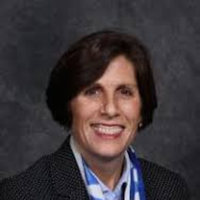
To care for your thoracic concerns, you can trust in the expertise of Dr. Laurie B. Reeder, our board-certified thoracic surgeon at Prima CARE. Dr. Reeder’s office is located in Prima CARE's building at 203 Plymouth Avenue in Fall River.
Dr. Laurie Reeder is certified by the American Board of Thoracic Surgery and the American Board of Surgery, and is a Fellow of the American College of Surgeons and a member of the Society of Thoracic Surgeons. Dr. Reeder earned an M.D. at Tufts University School of Medicine, completed a general surgery residency at the University of Chicago and completed a thoracic surgery fellowship at the University of Washington. Dr. Reeder cares for patients at Saint Anne's Hospital and the Prima CARE Lung Center, has served as an Instructor at Brown University's Warren Alpert Medical School and speaks Portuguese and English. Read Dr. Reeder's full bio.
Thoracic surgeons are trained to treat injuries and conditions in a particular area of the body called the “thoracic cavity” named for the thoracic vertebral column that makes up your middle and upper back. This area contains vital organs and muscles, including your heart, lungs, thymus gland, diaphragm and esophagus.
Dr. Reeder at Prima CARE may perform thoracic surgery for a number of conditions in the thoracic cavity. The most common of these conditions include:
Thoracic surgery, like all surgeries, does come with a risk factor for potentially dangerous complications. However, the minimally-invasive, cutting-edge approach we take at Prima CARE is designed to minimize those risks as much as possible.
Most lung nodules are not cancer. Depending on the size and appearance of the nodule and your health history, your care team may recommend a follow-up CT scan, further testing or a biopsy. A thoracic surgeon can review your scans and explain each option with you.
Many chest procedures can be done through a few small incisions using a camera and special instruments, instead of one large incision. This approach may mean less pain and a shorter recovery. Your surgeon will tell you whether it is right for your condition.
If you smoke, quitting before surgery is one of the best things you can do for your lungs and recovery. Stay active as you are able, follow your instructions about medicines and eating before surgery, and plan for someone to help you at home for the first days after.