Key Takeaways
- Blood pressure that is consistently too high (hypertension) or too low (hypotension) can lead to serious health complications if left unmanaged.
- Symptoms of a hypertensive crisis (a reading of 180/120 mm Hg or higher) include severe headache, shortness of breath, chest pain, vision changes, and confusion, requiring immediate emergency care.
- Warning signs of dangerously low blood pressure can include dizziness, fainting, blurred vision, and cold, clammy skin.
- Long-term risks of untreated high blood pressure include heart attack, stroke, kidney disease, and vision loss.
- Prima CARE offers expert hypertension management and primary care services in Fall River, MA, to help you manage your blood pressure and protect your long-term health.
Understanding Your Blood Pressure Numbers
Your blood pressure is a vital sign that measures the force of blood pushing against the walls of your arteries. It's recorded as two numbers: systolic pressure (the top number) over diastolic pressure (the bottom number). According to the American Heart Association, a normal reading is typically less than 120/80 mm Hg. While it's normal for your blood pressure to fluctuate throughout the day, persistently high or low readings can signal underlying health issues that need attention.
Understanding what these numbers mean is the first step toward managing your cardiovascular health. Many people have high blood pressure for years without knowing it because it often has no symptoms—this is why hypertension is frequently referred to as the 'silent killer' by the Centers for Disease Control and Prevention (CDC). Regular check-ups with your healthcare provider at Prima CARE’s locations are essential for monitoring your numbers and catching potential problems early.
Symptoms of Dangerously High Blood Pressure (Hypertension)
Most of the time, high blood pressure doesn't cause obvious symptoms. However, when blood pressure spikes to dangerously high levels, a condition known as a hypertensive crisis, it can become a medical emergency. A hypertensive crisis is defined by a blood pressure reading of 180/120 mm Hg or higher.
When to Seek Immediate Medical Attention
If you or someone else has a blood pressure reading this high, it is critical to seek immediate medical help. Call 911, especially if the high reading is accompanied by any of the following symptoms:
- Severe chest pain
- Severe headache, accompanied by confusion and blurred vision
- Shortness of breath
- Nausea and vomiting
- Anxiety
- Seizures
- Unresponsiveness
- Signs of a stroke, such as numbness or weakness in the face, arm, or leg, especially on one side of the body.
A hypertensive crisis can lead to life-threatening complications—including stroke, heart attack, and kidney damage—as highlighted in recent clinical research. Do not wait to see if your pressure comes down on its own.
Symptoms of Dangerously Low Blood Pressure (Hypotension)
While high blood pressure gets more attention, blood pressure that is too low can also be a cause for concern. Hypotension is generally defined as a reading lower than 90/60 mm Hg. For some people, low blood pressure is normal and doesn't cause problems. For others, it can lead to inadequate blood flow to the brain, heart, and other organs.
Signs of Problematic Low Blood Pressure
You should consult a doctor if you experience persistent symptoms of low blood pressure, which may include:
- Dizziness or lightheadedness
- Fainting (syncope)
- Blurred or fading vision
- Nausea
- Fatigue
- Lack of concentration
- Cold, clammy, pale skin
- Rapid, shallow breathing
Sudden drops in blood pressure can be dangerous, particularly for older adults, as they can lead to falls and serious injuries.
The Long-Term Risks of Untreated Blood Pressure Issues
Ignoring blood pressure problems can have severe consequences for your health over time. Your arteries and organs are not designed to withstand the constant strain of high pressure.
How Hypertension Harms Your Body
Untreated high blood pressure forces your heart to work harder to pump blood, which can cause the heart muscle to thicken and weaken. It also damages the delicate inner lining of your arteries. This damage can lead to:
- Heart Attack or Stroke: Damaged arteries can become clogged with plaque, leading to a heart attack or stroke.
- Heart Failure: The increased workload can cause your heart to fail over time.
- Kidney Disease or Failure: High blood pressure can damage the arteries around the kidneys, impairing their ability to filter waste from your blood.
- Vision Loss: It can strain or damage the blood vessels in your eyes.
- Aneurysm: Increased pressure can cause a section of an artery wall to weaken and bulge, potentially leading to a life-threatening rupture.
Managing your blood pressure is one of the most effective ways to protect yourself from these serious conditions.
How Prima CARE Provides Expert Hypertension Management
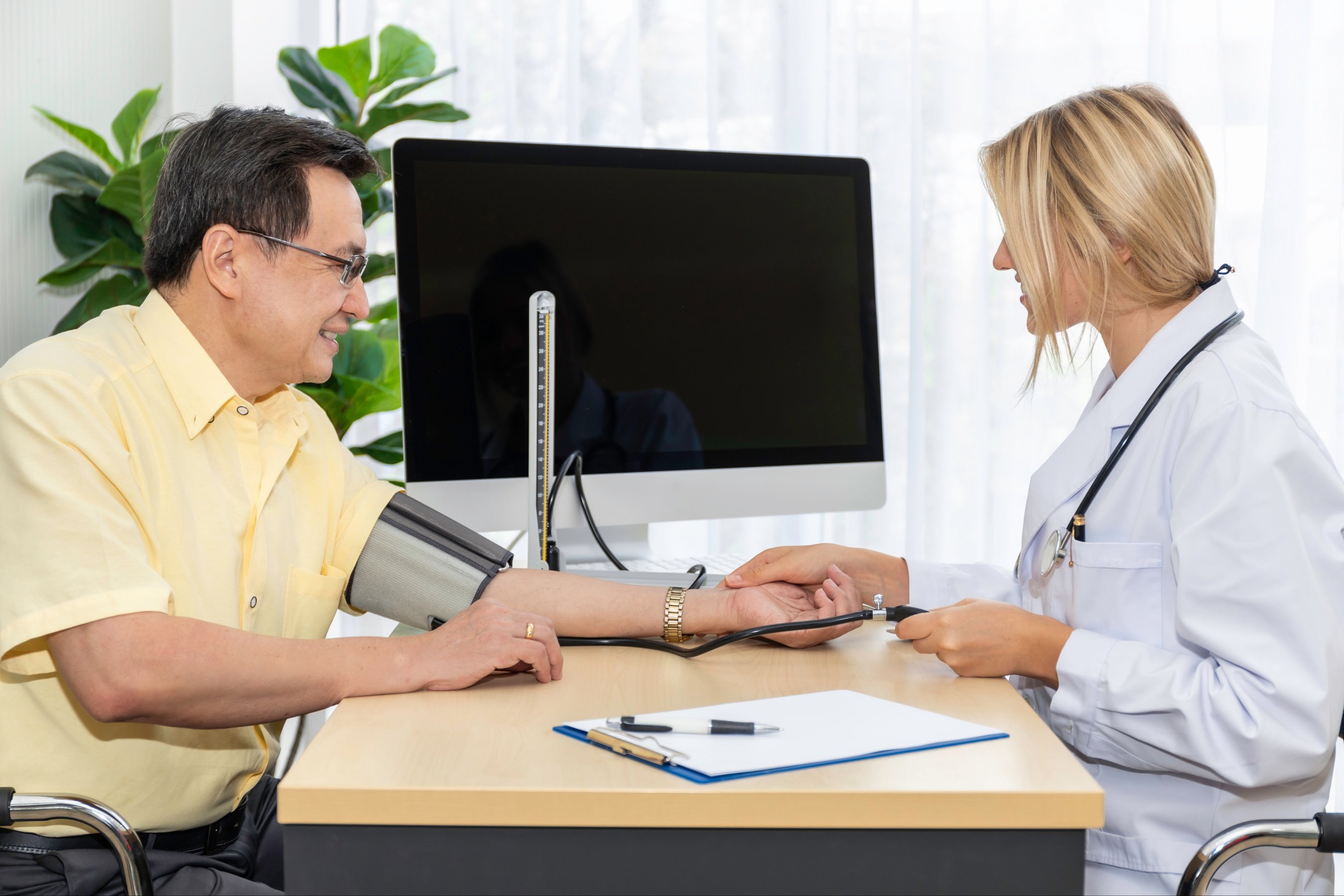
At Prima CARE, we use advanced diagnostic tools to accurately assess your cardiovascular health. During a consultation, your provider will conduct a physical exam, review your medical history, and measure your blood pressure. Depending on your situation, they may recommend further testing, such as an EKG, blood tests, or ambulatory blood pressure monitoring, which tracks your blood pressure over a 24-hour period.
Based on this comprehensive evaluation, our team will create a personalized treatment plan. This plan may include lifestyle modifications like dietary changes and exercise, as well as medication to control your blood pressure. Our goal is to work with you to manage your condition effectively and reduce your risk of future complications.
Your Partner in Blood Pressure Management in Fall River, MA
Do not ignore the warning signs of blood pressure problems. Whether you're experiencing symptoms or simply want to be proactive about your health, managing your blood pressure is essential for your well-being. The experienced team at Prima CARE is here to provide the expert guidance and care you need.
For comprehensive blood pressure management and primary care services in the Fall River area, schedule an appointment with Prima CARE today.
Frequently Asked Questions
What is considered a hypertensive crisis?
A hypertensive crisis is a sudden, severe increase in blood pressure to 180/120 mm Hg or higher. This is a medical emergency that requires immediate attention to prevent organ damage.
Can I check my blood pressure at home?
Yes, home blood pressure monitoring is a great way to keep track of your numbers. If you get a very high reading but have no symptoms, rest for five minutes and check it again. If it remains high, contact your healthcare provider. If you have any symptoms like chest pain or shortness of breath, call 911 immediately.
What causes low blood pressure?
Low blood pressure can be caused by various factors, including dehydration, certain medications, heart problems, endocrine issues, and pregnancy. A healthcare provider can help determine the underlying cause of your symptoms.